This is Part 2 in a series of blogs on DIY Report Cards.
We have decided to experiment with students preparing their own reflection journey, through DIY Report Cards, in video format. We are excited to see the eventual outcome of this experiment.
In Part 1, I had indicated that DIY Report Cards are an interesting tool for students to reflect on their learning journey. In this write-up, I will explore some design aspects for DIY Reports Cards. In the modern, digitally connected world, all search journeys start with the internet. My search for information on DIY Report Cards yielded no information, except some poorly crafted templates of what these documents should look like.
There is a bundle of literature available on self-reflection ideas / techniques / methodologies for adults / corporate executives that I could borrow from, but a student is not an adult and a classroom is not the HR department and therefore approaches would be significantly different.
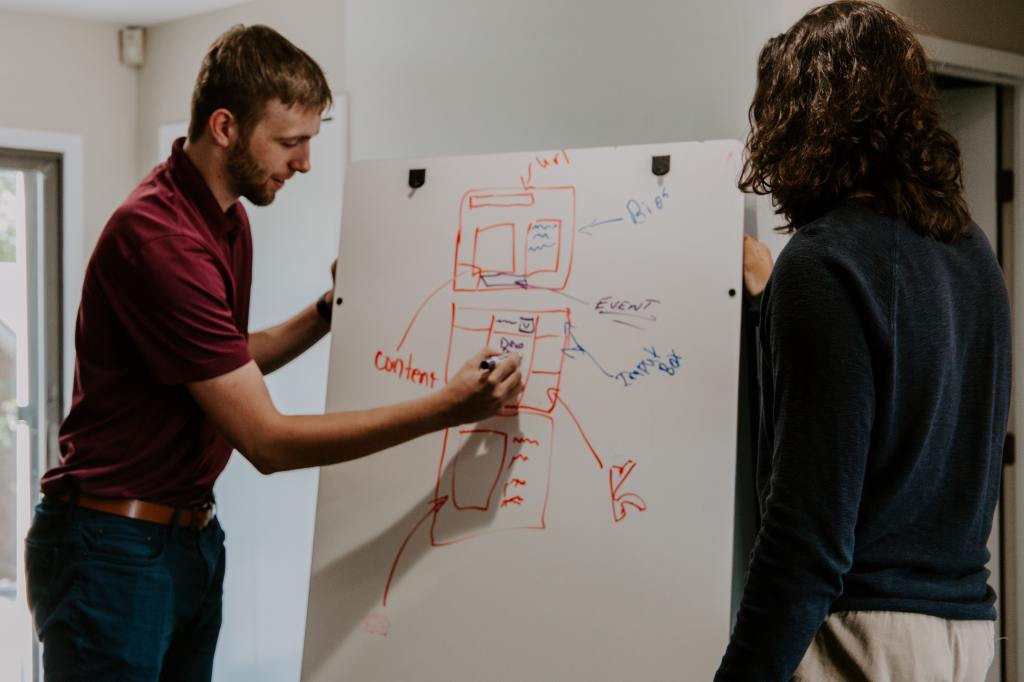
For our purpose, we have decided on the following approach:
Defining Learning Journeys:
What should we measure?
This question had us thinking hard about on what learning means in the context of our program. Yes, we cover a lot of ground in the 1 year the students are with us – they become more confident, articulate, work better in a team, become independent in their though and actions (we call it independent mindedness), improve their communication skills, have better reading and listening comprehension amongst many other attributes.
Should we ask students to reflect on all or some of these skills or are there ways to organise these skills into broader baskets?
For our purpose we decided to have students reflect on their growth in the following terms:
Development of Academic Capital: Our program endeavours to help students improve their English communication (speaking and writing skills), reading and listening comprehension, self-confidence, self-awareness, time management skills, etc. We also have hundreds of volunteer executives who regularly speak with and mentor our students. Looked at together, the program develops skills that help students perform better academically and / or facilitate better decision making with respect to further education.
Gains in education translates into better employment prospects
Development of Employability Capital: On the employability front, our program endeavours to build skills like leadership, independent mindedness, teamwork, growth mindset, understanding and following instructions, questioning skills, self-management (which includes regularity, punctuality, integrity, grooming), etc. We help students understand the hiring process (resume making, cover letter, navigating job portals, interviews (including elevator speech and mock interviews). We also have an in-house career counselling cell that helps students make better career choices. Our aim is to provide our students with the knowledge and capability to search for and navigate the employment process to get a job that matches their interests / aspirations.
Development of Social Capital: Social capital includes recognition that we live in a social setting and our behaviours / interactions has an impact on our circle of influence. Our ability to make friends and network open doors to work opportunities and our ability collaborate could win us promotions and brighten our prospects.
Knowledge vs Application:
It is not enough that one acquires knowledge from a course or program. To be meaningful, learning needs be applied to daily life, then only it has the potential to transform lives. While preparing their reflection journey via DIY report cards, students should focus on skills that are enriching their lives through application. In this context, students should ask themselves:
- Have I benefitted academically from the program (grades, co-curricular activities, etc.)? What skills have I applied that have resulted in these benefits?
- Am I performing better at my workplace?
- Has my social network and sphere of influence grown?
If the answer to any of the above questions is yes,
- What skills are responsible for these gains?
- What efforts did I make (conscious or unconscious) to enhance my skills?
- What evidence do I have that I am reaping the benefits I am claim?
Peer Reflection
Family, friends and peers are the first people to notice change in us. Small changes become visible to them, even before they reveal themselves to us. They can also identify the causes of these changes. Peer reflection is therefore an important component of a reflective journey. It validates the information that has been presented in the reflection, while also holding out the possibility of adding information that may not have been considered by the student while preparing his/her reflection.
We believe that having peers review the DIY report cards of their friends/classmates will add an extra dimension to the report card, with peers adding their own perspective. In this context, peers should be encouraged to keep their tone positive, while validating / providing context they have personally have experienced.
Submission format
Most report cards are in the print format. Print is not as powerful a medium of communication as video. Video recording/presentations allows people to express themselves both through words and expressions. Facial expressions, tone, body language, clothing all add colour and provide additional information about the presenter. It packs more information in a shorter duration of time. With this in mind, our students will present their report cards as a 2-minute video presentation.
We are excited to see the eventual outcome of this experiment. At the graduation ceremony (yes, we extend an invitation to parents to participate in a graduation ceremony and celebrate the hard work and success of their children), we propose to present the DIY report card to the parents. We hope that the report card, in their child’s own voice, will put a smile of their faces while helping them understand their child’s abilities and the efforts he / she is making towards securing a brighter future.
 SANDEEP MAHAJAN
Leave a comment